AI Strategy Consultant Options for Small Businesses
Compare AI strategy consultant options for small businesses by implementation support, risk controls, and fit. Start with a free, ROI-focused roadmap.

AI advice is easy to find. A plan that names the work to automate, shows the likely return, and gets the system into use is harder to find. Here are ten consultant approaches for small businesses, starting with the done-for-you model at Huge AI.
1. Huge AI
Huge AI helps owner-operators find work AI can take off their plate, then builds and operates those systems for them. It fits service business owners who want fewer missed leads or less admin, without another tool to learn.
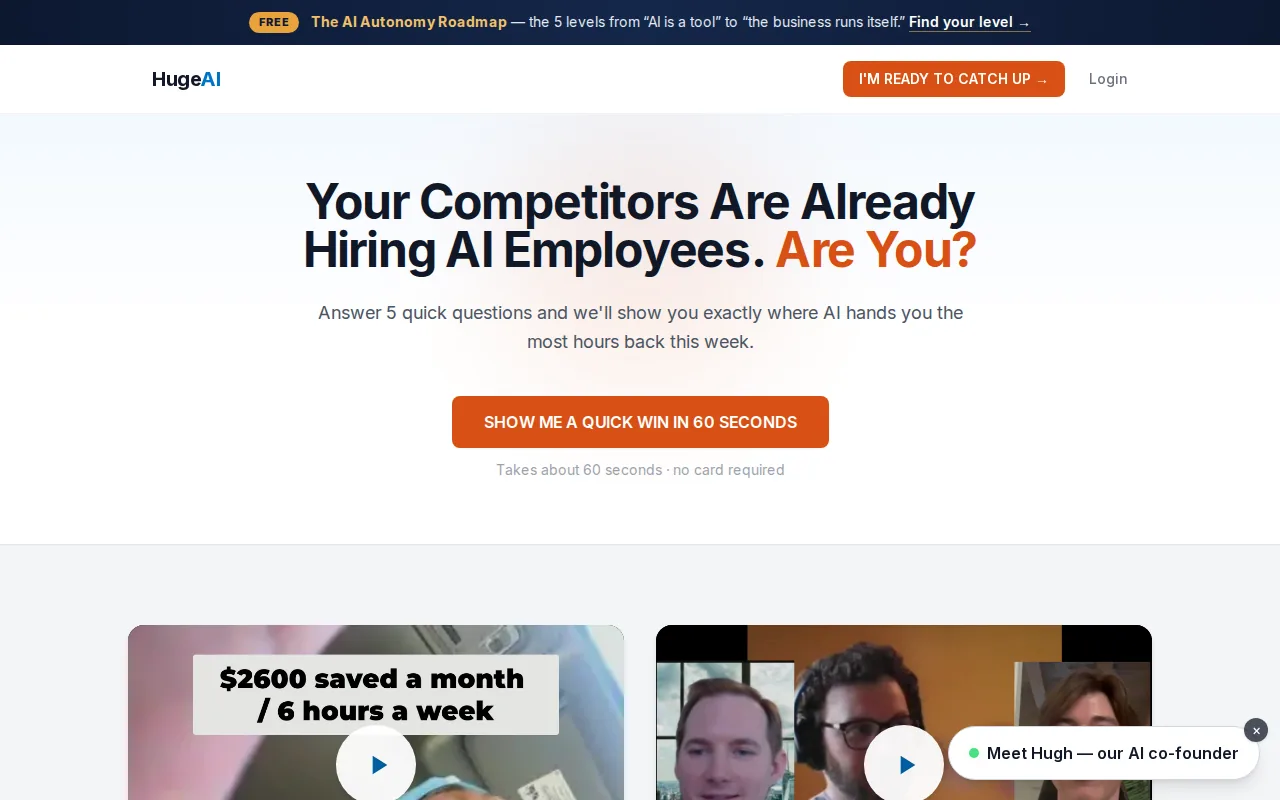
Start with a free 45-minute AI Growth Roadmap. We map how your business actually runs, then send a same-day report with 3 to 7 prioritized fixes and the estimated hours and dollar value for each. From there, you can choose a done-with-you AI Concierge or a done-for-you AI Employee.
For owners who want a system built and run for them, Huge AI’s offer includes a 5+ hours per week guarantee. The free roadmap is a useful first check before you spend a dime building anything. Owners comparing build support can also review AI implementation consultants for small businesses.
Best fit: An owner who needs working automation, not a strategy deck or a DIY assignment.
2. Governed AI Rollout Consultants for Engineering-Heavy Projects
This provider type pairs AI planning with engineering support. It may suit a business with several connected systems or a workflow that needs a working prototype before a larger build.
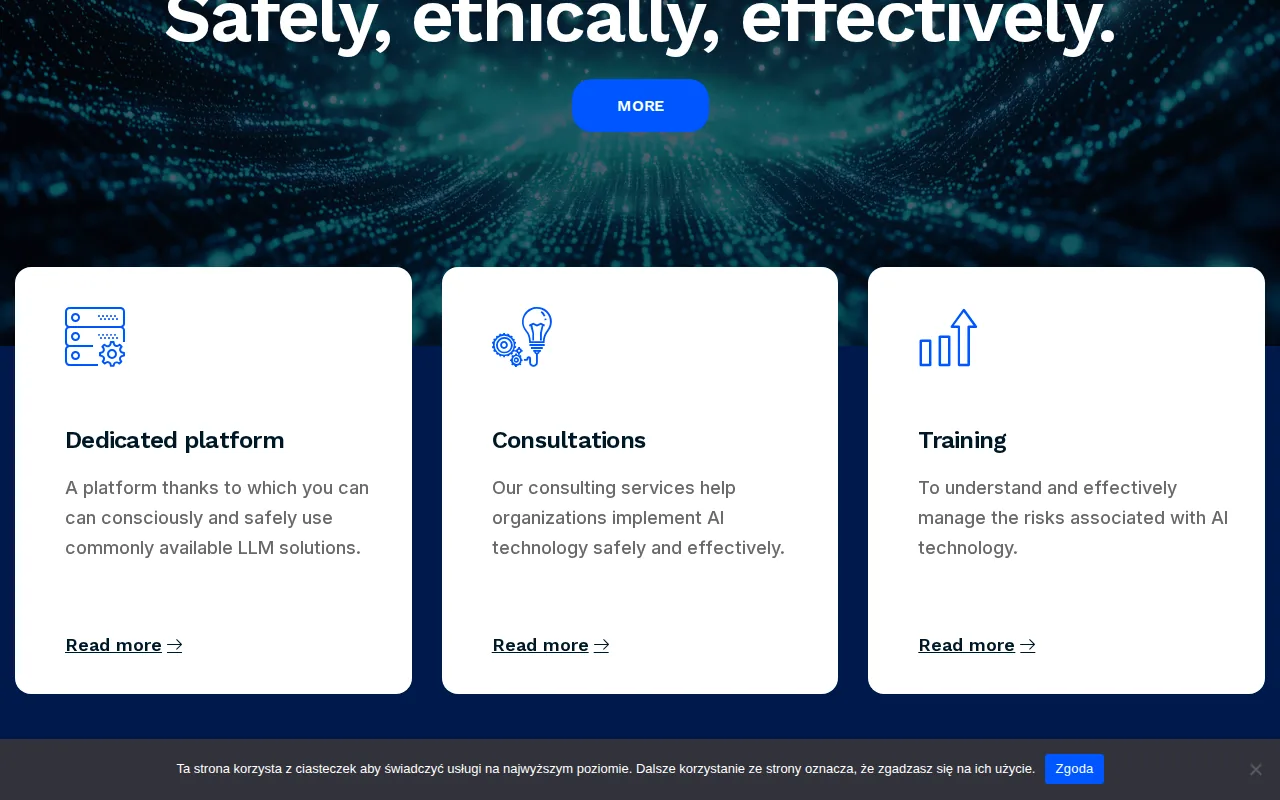
A useful engagement checks whether the current data and systems can support the proposed use case. It then ranks options by likely business value and feasibility, and tests a small version before major investment. Ask who handles integration and who owns fixes after launch. Some strategy firms stop at recommendations, so get the delivery boundary in writing.
For a small agency, this level of engineering may be more than needed for basic lead follow-up. It makes more sense when the work depends on linking records across tools or handling exceptions that a simple workflow cannot manage.
3. Risk-Controlled AI Program Consultants
Risk-controlled AI program consultants help set rules before a system handles business or client information. This option fits owners in regulated work, including insurance, where mistakes can affect trust or create E&O exposure.
Before approving a workflow, ask what data it can read, what it can send, and which actions need a human check. A consultant should also explain how errors get flagged and who reviews them. For an agency, an AI draft for a renewal email may be low risk; an automated coverage recommendation needs much tighter review.
Keep the first project narrow. If the provider talks mainly about policy documents but can't show how those rules affect a live workflow, the advice may not carry through to daily work.
4. Embedded-Risk AI Integration Consultants
Embedded-risk consultants bring risk review into the build and handoff, rather than treating it as a final sign-off. They can fit a larger project where AI must connect with existing business systems and more than one person needs to approve decisions.
Ask for a clear map of the workflow: what starts it, what information it uses, where it sends the result, and when a person takes over. For a small business, that might mean routing a new inquiry for staff review before a reply goes out. A clear handoff matters as much as the model choice.
We explain the difference between planning and hands-on delivery in our overview of AI business consultant services for small businesses. The key is to confirm who will keep the system working once the initial project ends.
5. AI Governance and Accountable Workstream Consultants
This approach turns broad AI rules into clear work, owners, and approval points. It suits a growing firm where several teams want to use AI but no one is sure who approves a new system or checks its output.
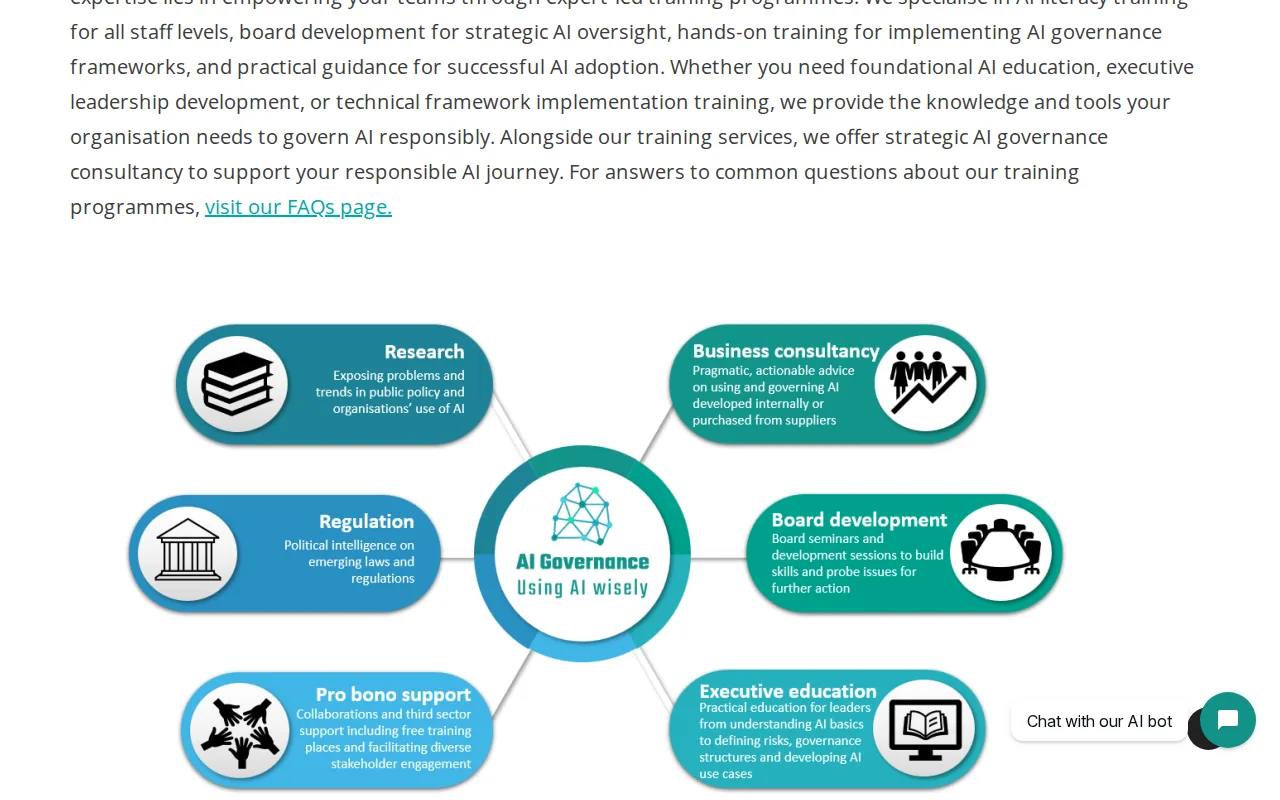
For a small agency, that might mean naming who can approve client-facing messages, which records an AI system may use, and how staff report an error. A consultant can help turn those decisions into rules your team can follow.
Keep the framework sized to the business. If staff need a long manual to decide whether a routine draft needs review, the controls may be too hard to use.
6. AI Operating-Model Consultants for Decision Rights and Delivery
Operating-model consultants define who makes decisions and who keeps an AI workflow on track. They fit a business that has already tested AI but now needs a named owner for approvals, exceptions, and day-to-day upkeep.
For example, an insurance agency could assign a service lead to review unusual certificate requests while routine intake follows a set path. The consultant should make those roles plain and show how a worker can pause or override the system.
Ask what your team will be able to manage without the consultant. If the answer is unclear, the handoff plan needs work. A system that only one outside expert understands can become another bottleneck.
7. Responsible-AI Assessment and Approval Consultants
These consultants assess a proposed use case before a business commits to a build. They fit owners who have several AI ideas but need to sort them by value, data readiness, risk, and effort.
A useful assessment asks whether the records are accurate and available, who is accountable for the result, and where human review belongs. In an insurance office, a document summary may be a safer first test than automating a client decision.
Look for an assessment that ends with a decision: proceed, fix a data gap first, or leave the idea alone. A list of possible AI uses without a clear next move won't help much.
8. End-to-End AI Strategy and Production-Operations Consultants
End-to-end consultants work across planning, build, launch, and ongoing operations. This can fit a business with a complex workflow that needs more than advice, but owners should check whether the project scope matches the size of their team.
Ask how the provider will measure the result after launch. For lead response, useful measures might include how quickly inquiries get a reply and how many receive staff follow-up. The right measures depend on the job; a vague promise to “improve efficiency” is hard to test.
At Huge AI, we focus on building and operating AI that takes on whole parts of the business. The free Growth Roadmap gives an owner a first view of possible fixes and estimated ROI before committing to a build. For a task-level estimate, an AI ROI calculation for service and insurance workflows can help frame the costs and expected savings.
9. Integrated AI Governance and Monitoring Consultants
This provider type combines workflow delivery with ongoing checks. It can fit a business whose AI system will keep handling incoming requests, documents, or internal records after launch.
Before signing, ask what gets monitored and who responds when something goes wrong. A useful plan names the person who reviews exceptions, how staff can report a bad result, and what happens if the system is paused. Monitoring isn't a substitute for clear permissions or human review.
For a small firm, keep the process easy to follow. If monitoring creates a new daily admin task with no clear owner, it may cost more time than it saves.
10. Responsible-AI Roadmap and Operating-Model Consultants
This option joins risk planning with a staged delivery plan. It suits a business that needs to choose a first use case, set review rules, and agree on who will manage the work as it grows.
A good roadmap names the workflow, its owner, the data it needs, and the result that would justify moving forward. It should also say what needs human approval and what would cause the business to stop or revise the test. For a local service firm, start with one repeat task, such as sorting new inquiries, before widening the system's role.
Be cautious if the proposed plan assumes clean records or staff time that you don't have. Data cleanup and team adoption are part of the work, not details to leave for later.
Compare the Consultant Approaches at a Glance
The right AI strategy consultant depends on the work you need done. Use this table to narrow the fit, then ask each provider how its plan becomes a live workflow.
| Approach | Best fit | Check before you hire |
|---|---|---|
| Huge AI, done-for-you | Owner wants AI built and operated | Confirm the workflow and outcome in the roadmap |
| Engineering-heavy rollout | Project needs system connections or a prototype | Who handles integration and post-launch fixes? |
| Risk-led assessment | Regulated work or sensitive records | Which actions need human approval? |
| Governance and operating model | Several staff roles or unclear ownership | Who owns exceptions and ongoing review? |
| End-to-end delivery | Workflow needs planning through ongoing support | What measures prove the system is helping? |
Consulting fees and contract models vary. Ask whether the work is a fixed assessment, a scoped implementation, or ongoing support. Get the deliverables, integration duties, and maintenance terms in writing. For a small business, a short assessment can be a safer first commitment than a broad transformation plan.
FAQ
What does an AI strategy consultant do?
An AI strategy consultant helps a business decide which work AI should handle and how to put that plan into practice. The work may include checking data, ranking use cases, setting review rules, and planning a build. For a small firm, ask whether the consultant stops at advice or also builds and supports the system.
How do I choose an AI strategy consultant for a small business?
Choose an AI strategy consultant who understands your type of work and can explain the path from assessment to launch. Ask for a clear first workflow, the expected business measure, the data it needs, and who handles errors. Confirm the pricing model and ongoing support before you agree to a project.
Does a small business need an AI consultant?
A small business may benefit from an AI consultant if repeated admin or slow follow-up is taking time from paid work. You don't need a large technology team to assess one workflow. Start by checking whether the task happens often, follows clear rules, and has a result you can measure.
What should an AI consultant include in a roadmap?
An AI consultant's roadmap should name the first workflow, its expected value, and what needs to be ready before a build. It should also show who owns the process and when a person must review the result. A useful roadmap sets a clear next step, not just a list of possible tools.
Conclusion
For an owner who wants AI to take work off the team without becoming another project to manage, start with Huge AI’s free 45-minute AI Growth Roadmap. Bring one recurring task, then use the same-day report to decide whether to build, wait, or skip it.
Want an AI employee that answers every lead instantly?
That's what we build at Huge AI. One flat plan, no fine print.
See pricing →